
Why Corrosion-Resistant Coatings Are Essential for Long-Lasting Metal Protection
Metal is strong, but it is not invincible. Left unprotected, even the toughest steel or iron components begin to weaken the moment they are exposed to moisture, salt air, chemicals, or fluctuating temperatures. This slow, silent process is corrosion and it is one of the most expensive problems facing industries worldwide, from construction and automotive manufacturing to oil and gas. Corrosion-resistant coatings exist to stop this damage before it starts, forming a protective barrier that keeps metal surfaces strong, functional, and visually appealing for years longer than untreated metal. In this guide, we break down what corrosion-resistant coatings are, how they work, and why they are a non-negotiable investment for anyone who relies on metal components to perform under pressure.
What Is Corrosion and Why Does It Matter?
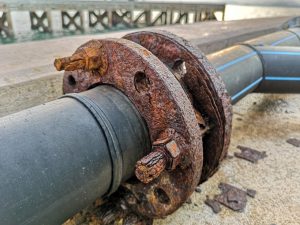 Corrosion is a natural electrochemical reaction that occurs when metal comes into contact with oxygen, moisture, or other reactive elements in its environment. Over time, this reaction breaks down the metal’s surface, leading to rust, pitting, discoloration, and eventually structural failure. For businesses, corrosion is not just a cosmetic issue it directly impacts safety, product lifespan, and the total cost of ownership. Structural supports, machinery, railings, gates, and industrial equipment can suffer costly repairs or replacement without the right protective coating.
How Corrosion-Resistant Coatings Work
A corrosion-resistant coating works by creating a barrier between the base metal and the elements that cause corrosion oxygen, moisture, salts, and industrial chemicals. Depending on the coating type, this protection can work in one or more of the following ways:
- Barrier protection – physically sealing the metal surface from air and moisture.
- Sacrificial protection – using a more reactive metal (such as zinc) that corrodes first, protecting the base metal underneath.
- Inhibitive protection – coatings that release compounds which slow down the chemical reactions that cause rust.
The right approach depends on the metal type, the environment it will be exposed to, and the level of durability the application demands which is why professional consultation matters as much as the coating itself.
Key Benefits of Corrosion-Resistant Coatings

- Extended lifespan – protected metal components last significantly longer than untreated ones.
- Lower maintenance costs – reduces the frequency of repairs, repainting, and part replacement.
- Improved safety – prevents structural weakening in load-bearing or safety-critical components.
- Better appearance – coatings preserve a clean, professional finish even in harsh environments.
- Higher resale and asset value – well-maintained metal assets retain value longer.
- Environmental resilience – protects against humidity, salt air, industrial fumes, and temperature swings, which is especially relevant across GCC climates.
Common Types of Corrosion-Resistant Coatings
Nickel Plating – a popular choice for industrial parts, offering excellent resistance to rust and wear while adding a smooth, durable finish. Explore nickel electroplating services for components exposed to demanding conditions.
Zinc Galvanizing – applies a sacrificial zinc layer, widely used for structural steel, fencing, and outdoor fixtures.
Powder Coating – an electrostatically applied dry coating that cures into a tough, even layer ideal for architectural and industrial metalwork.
Industrial Protective Coatings – engineered specifically for heavy-duty equipment and high-exposure environments. See our industrial metal coating services and corrosion-resistant coating solutions for tailored options.
Bronze and Antique Finishes – combine protective qualities with decorative appeal for architectural and interior applications. Learn more about our bronze electroplating services and architectural metal finish services.
Industries That Rely on Corrosion-Resistant Coatings
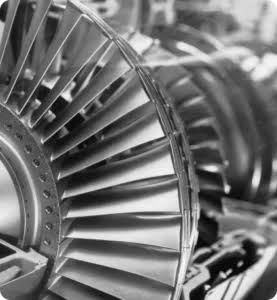 Corrosion protection is essential across nearly every sector that works with metal:
- Construction & Architecture – railings, gates, structural steel, and facades exposed to weather.
- Oil & Gas – equipment exposed to chemicals, moisture, and extreme temperatures.
- Automotive & Manufacturing – components requiring long-term wear resistance.
- Interior Design & Hospitality – decorative fixtures that must stay corrosion-free while looking premium.
- Awards, Trophies & Custom Merchandise – metal pieces that need to retain their finish for years.
Choosing the Right Corrosion-Resistant Coating Partner
Not all coating providers offer the same level of precision, materials, or quality control. When selecting a partner, look for a company with proven expertise across multiple coating methods, transparent quality assurance, and the ability to customize solutions for your industry. Arab Art Metal has delivered premium electroplating and metal finishing solutions since 2017, combining advanced techniques with rigorous quality control to protect metal assets across construction, industrial, and design applications. Explore our full range of metal finishing services or get in touch to discuss a coating solution tailored to your project.
Final Thoughts
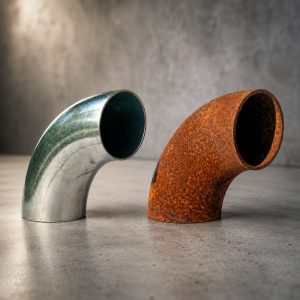 Corrosion doesn’t announce itself it works quietly until the damage is already done. Investing in a corrosion-resistant coating is one of the most cost-effective ways to protect metal assets, extend their working life, and maintain a professional appearance in even the harshest environments. Whether you’re protecting industrial equipment, architectural features, or decorative metalwork, the right coating strategy applied by an experienced team pays for itself many times over in reduced maintenance, fewer replacements, and lasting performance. If you’re ready to protect your metal investment, Arab Art Metal’s coating specialists can help you choose the right finish for your specific needs.
Frequently Asked Questions
1. What is a corrosion-resistant coating?
A corrosion-resistant coating is a protective layer applied to metal surfaces to prevent rust, oxidation, and chemical damage caused by exposure to moisture, air, and harsh environments.
2. How long does a corrosion-resistant coating last?
Lifespan depends on the coating type, metal substrate, and environmental exposure, but professionally applied coatings typically protect metal for several years, significantly outlasting untreated surfaces.
3. Which industries need corrosion-resistant coatings the most?
Construction, oil and gas, automotive, manufacturing, and architectural design industries rely heavily on corrosion-resistant coatings to protect structural and decorative metal components.
4. Is nickel plating a good corrosion-resistant option?
Yes. Nickel plating offers excellent resistance to rust and wear, making it a popular choice for industrial parts and components exposed to demanding conditions.
5. Can corrosion-resistant coatings improve the appearance of metal?
Absolutely. Beyond protection, many coatings such as powder coating and bronze finishes also enhance the visual appeal of metal surfaces with smooth, consistent, and attractive finishes.
6. How do I choose the right coating for my project?
The right coating depends on the metal type, the environment it will face, and your performance and aesthetic goals. Consulting an experienced metal coating provider ensures you get a solution matched to your specific application.
