
How Antique Metal Finish Services Elevate Luxury Interior Design
Luxury interiors are rarely defined by what is new. Instead, it’s the presence of something that feels lived-in, storied and quietly expensive that separates a well-decorated room from a truly designed one. Antique metal finish services give designers exactly that quality on demand. They offer a controlled, repeatable way to make brass, bronze, copper and iron look like they have aged gracefully for decades. Importantly, this ageing effect never compromises strength or finish integrity. As a result, a growing number of architects and interior studios across Riyadh and the wider GCC now turn to a specialist metal coating company for that old-world warmth.
What Are Antique Metal Finish Services?
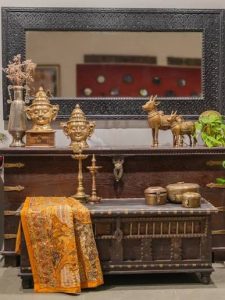
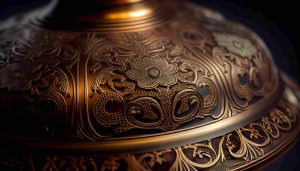
Antique metal finishing is a chemical and mechanical treatment process. It induces a controlled patina or oxidation layer on a metal surface. Rather than leaving corrosion to chance, skilled finishers manage the reaction through precise timing, temperature and buffing technique. They then lock the result in place with a protective lacquer or wax seal. Consequently, the outcome is a finish that reads as naturally aged brass, weathered bronze or hand-rubbed pewter. At the same time, it stays fully protected against fingerprints, humidity and daily wear.
Because the process is carefully controlled, every batch matches an approved reference sample. This ensures consistent colour and appearance across multiple components. As a result, it works well for staircases, doors, lighting fixtures and other architectural metalwork that need a uniform antique finish.
Why Luxury Interior Designers Choose Antique Finishes
1. A Sense of Heritage and Craftsmanship
An antiqued surface suggests careful handwork, even when manufacturers produce the piece at scale. That perceived craftsmanship is exactly what luxury clients pay for, and paint or printed texture rarely fakes it convincingly.
2. Warmth That Balances Cold Materials
Modern luxury interiors lean heavily on marble, glass and polished stone. An antique brass or bronze accent introduces warmth and tactility instead. This balance keeps a room from feeling clinical, especially on door pulls, switch plates, railings and light fixtures.
3. Versatility Across Styles
Antique finishes are not limited to classical interiors. In fact, a distressed bronze or verdigris tone works equally well in transitional, industrial-luxe and contemporary Arabesque schemes. That flexibility is why designers keep returning to it as a material choice.
4. Durability for High-Traffic Surfaces
Finishers seal the patina rather than leaving it exposed. Because of this, antiqued hardware holds up on staircase railings, entry doors and high-touch fixtures far better than an untreated or lacquer-only finish. This also reduces the need for frequent refinishing.
Popular Antique Metal Finish Techniques
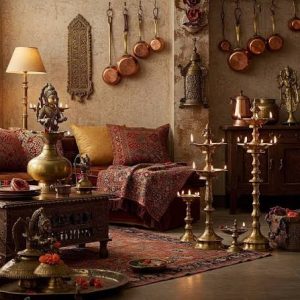
- Oxidized Bronze — a deep brown-black patina often used on statement door handles and balustrades.
- Verdigris Brass — a green-blue oxidation layer that gives brass a centuries-old, museum-piece look.
- Weathered Copper — a warm, mottled brown-red finish popular on range hoods and decorative panels.
- Antique Nickel — a soft, slightly darkened silver tone that suits transitional bathroom and kitchen fittings.
- Hand-Rubbed Pewter — a matte, low-sheen grey finish frequently chosen for furniture accents and frames.
Where Antique Finishes Work Best in Luxury Interiors
- Staircase railings and balustrades
- Entry and interior door hardware handles, hinges and kick plates
- Chandeliers, sconces and pendant fixture frames
- Furniture legs, cabinet pulls and console accents
- Decorative wall panels and ceiling trim
- Elevator interiors and lobby signage in boutique hotels and villas
How Arab Art Metal Delivers Antique Finishes
Arab Art Metal Coating LLC works directly with architects, contractors and interior studios across Riyadh and the GCC. Together, they produce antique metal finishes on brass, bronze, copper and nickel components. Every project begins with a finish sample that our team matches against the client’s design references. From there, we move through controlled oxidation, hand buffing to highlight relief details, and a protective sealing stage. This process ensures the finish performs reliably over years of use. Additionally, the same team supports related requirements such as bronze electroplating and architectural metal finish services. As a result, an entire interior package railings, hardware, signage and fixtures can share one consistent standard.
Choosing the Right Antique Finish for Your Project
 Start with the room’s dominant materials. Warmer stone & wood tones pair naturally with antique brass or copper, while cooler stone & glass-heavy spaces suit antique nickel or pewter better. Next, consider traffic levels. Heavily handled surfaces like door hardware benefit from a durable sealed finish, while decorative accents offer more flexibility. Finally, request a physical sample first, as patina tones vary with lighting.
Final Thoughts
Antique metal finish services give luxury interiors a quality that is genuinely hard to manufacture any other way. They add the appearance of time, craftsmanship and permanence. Perhaps the goal is a single statement staircase. Or maybe it’s a fully coordinated hardware package across a villa or hospitality project. Either way, working with an experienced metal coating company ensures the ageing effect stays consistent, protected and built to last. For projects across Riyadh and the GCC, Arab Art Metal’s antique finishing team can match a reference sample and deliver at the scale a luxury build demands.
Ready to bring antique character to your next interior project? Contact Arab Art Metal today for a finish sample and project quote.
Frequently Asked Questions
1. What is an antique metal finish?
An antique metal finish is a controlled patina or oxidation treatment. Finishers apply it to brass, bronze, copper, nickel or iron. As a result, the surface takes on a weathered, aged appearance, while the underlying metal stays protected and structurally sound.
2. Where are antique metal finishes commonly used?
Designers commonly use antique metal finishes on doors, handrails, decorative panels, lighting fixtures, furniture and architectural metalwork. You’ll find them in luxury homes, hotels, restaurants and commercial interiors, where they create a timeless, elegant look.
3. Which metals take an antique finish best?
Brass, bronze and copper respond especially well to antique finishing. Their alloy composition reacts predictably to oxidising agents. As a result, designers get a wide range of tones, from warm honey brown to deep verdigris green.
4. Is an antique metal finish durable enough for everyday use?
Yes. Arab Art Metal seals every antique finish with a protective lacquer or wax topcoat after oxidation. Because of this, door hardware, railings and fixtures resist fingerprints, moisture and daily handling without losing their aged character.
5. Can antique metal finishes be customized to match a specific interior palette?
Absolutely. Our team adjusts oxidation time, chemical concentration and buffing technique to produce a bespoke tone. This can range from a light bronze patina to a heavily distressed pewter look, matched to your design mood board.
6. How do I request antique metal finishing for my project?
Simply share your drawings, material and finish references through the Arab Art Metal contact page. Afterwards, the team will recommend a suitable antique finish, along with a timeline and quotation.
