
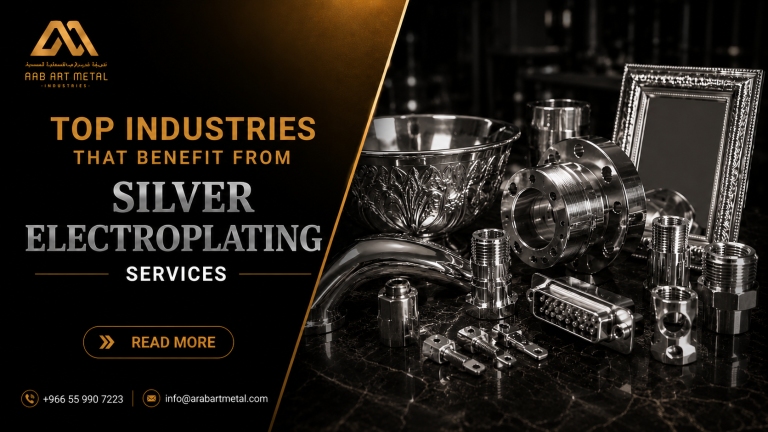
Top Industries That Benefit from Silver Electroplating Services
Silver electroplating has quietly become one of the most valuable surface-finishing processes in modern manufacturing. Beyond its bright, mirror-like appearance, a thin layer of electroplated silver delivers electrical conductivity, thermal performance, and corrosion resistance. This combination explains why so many industries, from electronics to aerospace, depend on silver plating. It keeps their products reliable, efficient, and long-lasting.
At Arab Art Metal, we provide professional silver electroplating services in Riyadh for clients across the manufacturing, industrial, and decorative sectors. This article breaks down exactly which industries benefit most from silver plating. It explains why the process matters and what to look for in a plating partner.
What Makes Silver Electroplating So Valuable?
Before exploring specific industries, it helps to understand why manufacturers choose silver over other plating metals. Engineers and manufacturers turn to silver electroplating for four core reasons:
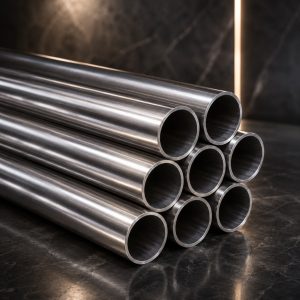
- Unmatched electrical conductivity — silver conducts electricity better than any other metal, minimizing signal loss and resistance.
- Excellent thermal conductivity — heat dissipates quickly through silver-plated components, protecting sensitive parts from overheating.
- Corrosion and tarnish resistance — a properly applied silver coating shields base metals from oxidation, moisture, and chemical exposure.
- Superior solderability — silver-plated surfaces bond cleanly during soldering, which is critical in electronics assembly.
These properties matter across so many use cases. Silver plating has moved well beyond jewelry and tableware. Today it serves some of the most demanding technical environments in the world.
1. Electronics & Electrical Systems
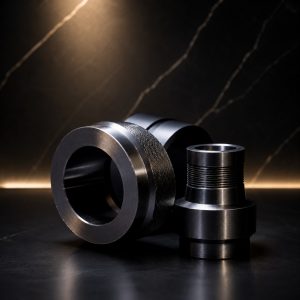
The electronics industry is, by far, the largest consumer of silver electroplating services. Circuit boards, switches, relays, and connectors all rely on silver’s conductivity to maintain a smooth, uninterrupted flow of current. In high-frequency and RF applications, even minor resistance can degrade signal quality. That is why silver remains the preferred finish for connectors and contacts in performance-critical designs.
Manufacturers also value silver plating for its consistent solderability. This property speeds up assembly and reduces defects on production lines.
2. Aerospace & Defense
Aircraft and defense components face extreme vibration, temperature swings, and mechanical stress. Every plated surface must perform under this pressure. Silver electroplating protects connectors, fasteners, and gearing while maintaining the conductivity that avionics and communication systems depend on. Its resistance to friction and heat also suits rotorcraft gearing and turbine-adjacent hardware, where failure simply isn’t an option.
3. Automotive Manufacturing
Modern vehicles pack in sensors, electrical contacts, and engine components. These parts must resist heat and vibration over years of use. Silver plating gives automotive manufacturers a finish that combines strength with dependable conductivity, particularly in ignition systems, sensors, and electrical connectors. Electric and hybrid vehicles are becoming more common. Demand for silver-plated components will likely keep growing, since EV systems rely heavily on efficient current transfer.
4. Industrial Machinery & Equipment
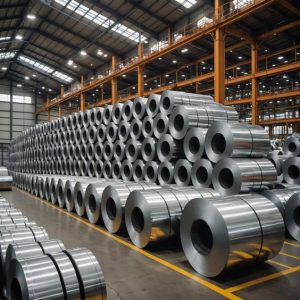
Factories rely on countless moving parts that operate under constant pressure, friction, and heavy workloads. Over time, components such as bearings, bushings, shafts, and rotating assemblies naturally wear down. This wear reduces efficiency and adds to maintenance costs. Silver electroplating provides a low-friction, wear-resistant surface that helps these parts run more smoothly while cutting heat and mechanical damage. In industrial environments where equipment runs continuously, this improved durability extends component life and reduces downtime. It also lowers maintenance costs and boosts overall operational reliability.
5. Telecommunications & Power Generation
Telecom infrastructure depends on stable signal transmission, which makes silver plating a natural fit for amplifiers, coils, and RF components. The same conductivity advantage carries over into power generation. Solar arrays and battery systems use silver-plated connectors and contacts to maintain efficient current flow with minimal energy loss.
6. Medical & Healthcare Equipment
Precision instruments, diagnostic devices, and certain surgical tools benefit from silver’s conductivity and natural resistance to bacterial growth. Healthcare settings apply silver plating selectively and according to strict standards. Even so, it remains a trusted finish for components where hygiene and reliability both matter.
7. Decorative, Awards & Luxury Applications
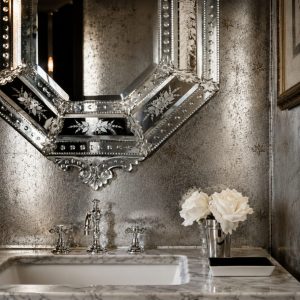
Silver electroplating offers more than technical performance it also delivers exceptional visual appeal. Its bright, reflective finish creates an elegant, premium look. That is why it remains a popular choice for trophies, awards, tableware, decorative fittings, architectural hardware, and luxury interior elements. Beyond enhancing aesthetics, the silver coating adds durability and tarnish resistance when properly finished. At Arab Art Metal, we combine advanced electroplating with expert decorative finishing. This gives clients a trusted solution for both high-performance industrial applications and premium-quality silver-plated products.
Choosing the Right Silver Electroplating Partner
Not all plating providers deliver the same level of consistency. When selecting a silver electroplating partner, look for proper surface preparation and controlled plating thickness. Also check for experience in your specific industry and a track record of meeting technical specifications. A skilled provider understands both the science and the craftsmanship of silver plating. The result is a finish that performs as well as it looks.
Final Thoughts
From circuit boards to aircraft connectors, silver electroplating quietly supports some of the most demanding industries in the world. Its rare mix of conductivity, durability, and visual appeal makes it a smart investment. Manufacturers who cannot compromise on performance rely on it every day.
If your business is exploring silver electroplating services, Arab Art Metal brings precision craftsmanship and industrial-grade quality to every project. This holds true whether it’s a single decorative piece or a full production run. Reach out to our team in Riyadh to discuss your requirements and get a tailored plating solution for your industry.
Frequently Asked Question
1. What industries use silver electroplating the most?
Electronics, aerospace, automotive, industrial machinery, telecommunications, and healthcare lead the way. These industries rely on silver electroplating for conductivity, corrosion resistance, and durability.
2. Why is silver preferred over gold or nickel plating for electronics?
Silver offers the highest electrical conductivity of any metal. This makes it more efficient than gold or nickel for applications where signal quality and current flow matter most. It is also more cost-effective than gold.
3. Does silver plating tarnish over time?
Silver can tarnish when exposed to sulfur compounds in the air. This rarely affects conductivity in functional applications. Proper underplating or sealing can further reduce tarnishing.
4. How long does a silver electroplating project take?
Turnaround depends on the size, complexity, and thickness required. Small decorative items often finish within a few hours to a few days. Larger industrial batches may take longer. Arab Art Metal provides a clear timeline before every project begins.
5. Can silver electroplating be applied to any base metal?
Silver electroplating works on most common base metals, including steel, brass, copper, and nickel. The surface simply needs proper cleaning and preparation before plating.
6. Is silver electroplating suitable for both industrial and decorative use?
Yes. The same core process supports high-performance industrial components as well as decorative items like trophies, awards, and tableware. Each finish is tailored to the application’s requirements.
