

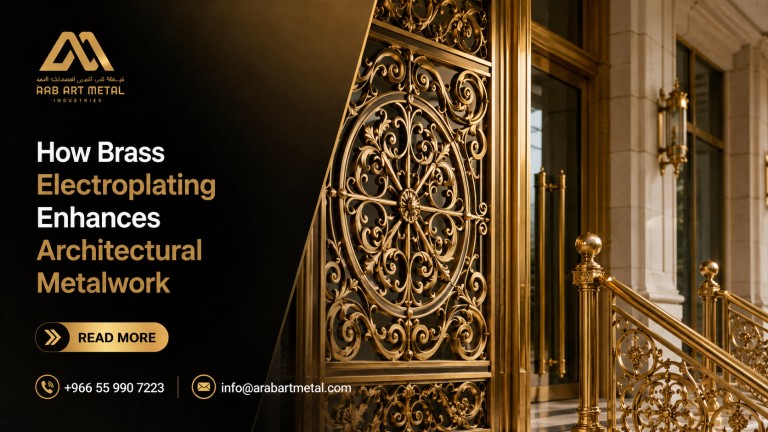
How Brass Electroplating Enhances Architectural Metalwork
Brass has been a symbol of elegance in architecture for centuries. In fact, it graces everything from grand entrance doors to handrails in luxury hotels. However, solid brass is heavy. It is also expensive and hard to work with at scale. That is where brass electroplating comes in. This process delivers the warmth, shine, and prestige of brass. Meanwhile, it sits on top of stronger, lighter, and more cost-effective base metals. For architects, contractors, and interior designers, this matters a lot. They work on commercial and residential projects across Saudi Arabia and the wider Gulf region. So, understanding how brass electroplating enhances architectural metalwork counts. It can separate a finish that fades within a year from one that stays stunning for a decade.
What Is Brass Electroplating?
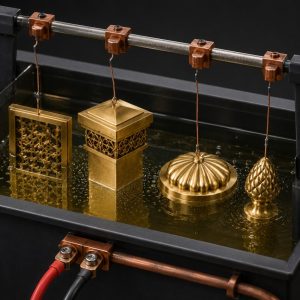
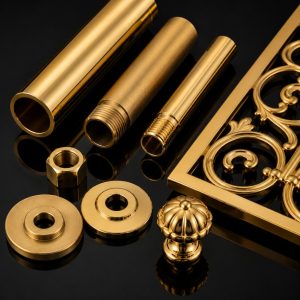 Brass electroplating is a surface-finishing process. It deposits a thin, uniform layer of brass onto a base metal component. Typically, this base metal is steel, iron, aluminium, or copper. Here’s how it works: workers submerge the base component in an electrolyte solution. This solution contains brass ions. Then, an electric current bonds the brass evenly across the surface. As a result, the component looks and performs like brass on the outside. Meanwhile, it keeps the strength, weight, and cost advantages of the metal underneath.
This technique proves especially valuable in architectural metalwork. Here, large or structural components need both visual richness and long-term strength. Think of railings, gates, cladding panels, and fixtures.
Why Architectural Metalwork Benefits from Brass Electroplating
 1. A Timeless, Premium Aesthetic
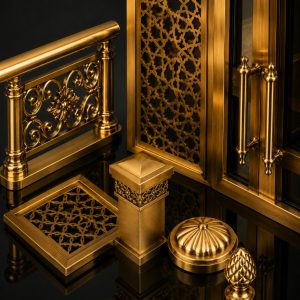
Brass has a warm gold-bronze tone. This tone instantly raises the perceived value of a building. For example, you’ll see this effect on a hotel lobby’s reception desk. You’ll also see it on a boutique’s storefront or a residential villa’s staircase. Brass electroplating replicates this look precisely and consistently. Because of this, every component gets a uniform look across large architectural installations.
2. Enhanced Corrosion and Tarnish Resistance
Architectural metalwork constantly faces humidity, dust, and temperature swings. In coastal or industrial areas, it also faces airborne salts and pollutants. However, a properly applied brass electroplating process changes the picture. First, workers layer it over a nickel or copper base coat. Then, they seal it with a protective lacquer. Together, these steps sharply improve resistance to corrosion, oxidation, and surface tarnishing. Compare that to untreated or unprotected metal, which fares far worse.
3. Durability Without the Weight or Cost of Solid Brass
Solid brass fittings cost a lot. They also weigh a lot. As a result, they limit design options for large-scale facades, tall railings, or expansive gate systems. Brass electroplating solves this problem. It lets designers choose lightweight, structurally efficient base metals such as steel or aluminium. At the same time, it still delivers the full visual and tactile qualities of brass. Consequently, this cuts both material cost and installation complexity.
4. Design Flexibility Across Architectural Elements
Brass electroplating adapts to almost any architectural form. For instance, it suits ornate balustrades and decorative grilles. It also suits modern minimalist door handles and signage. In addition, designers can pair it with brushed, polished, satin, or antique finishes. This way, it matches a building’s design language. Whether the style leans classical, contemporary, or heritage-inspired, brass electroplating fits right in.
5. Cost-Effective Restoration of Heritage Metalwork
Older buildings and heritage structures often feature original brass or bronze metalwork. Over time, though, this metalwork corrodes. It also loses its finish. Fortunately, brass electroplating offers a practical fix. It restores these elements to their original glory. Best of all, it does this without replacing structurally sound components. In this way, it preserves architectural heritage. At the same time, it modernises performance.
Common Architectural Applications of Brass Electroplating
- Staircase railings and balustrades in hotels, malls, and residential towers
- Entrance doors, door handles, and push-pull hardware
- Elevator panels, lift doors, and cabin interiors
- Decorative grilles, screens, and partition panels
- Facade cladding accents and signage lettering
- Light fixtures, chandeliers, and wall sconces
- Boundary fences, gates, and perimeter railings
The Brass Electroplating Process, Step by Step
- Surface preparation: First, workers clean, degrease, and polish the base metal. This removes contaminants that could weaken adhesion.
- Base coating: Next, they apply a nickel or copper undercoat. This improves adhesion and adds an extra corrosion-resistant barrier.
- Brass electroplating: Then, they immerse the component in a brass-ion electrolyte bath. After that, an electric current deposits an even brass layer across the surface.
- Finishing: Afterward, they buff the plated surface to the desired sheen. Depending on the design brief, this might be polished, satin, brushed, or antique.
- Protective sealing: Finally, they apply a clear lacquer or protective topcoat. This slows down natural tarnishing and extends the finish’s life, which matters most for outdoor use.
How to Choose the Right Brass Electroplating Partner
Architectural projects demand more precision and scale than typical decorative plating work. So, when you pick a provider, look for these things:
- Proven experience with large or oversized architectural components
- In-house quality control and consistent plating thickness across batches
- The ability to combine brass electroplating with complementary finishes such as antique, corrosion-resistant, or industrial coatings
- A track record of on-time delivery for construction-scale timelines
Arab Art Metal is a metal coating company based in Riyadh. Additionally, it runs group operations across the UAE. The company focuses on electroplating services and architectural metal finishing. It serves construction, hospitality, and interior design projects across Saudi Arabia. Their team works across copper, bronze, and nickel-based plating processes. Together, these processes form the technical foundation for a high-quality brass electroplated finish.
Final Thoughts
Brass electroplating brings the warmth and prestige of brass into modern architectural metalwork. For architects, contractors, and property owners, this opens up new options. Best of all, it skips the cost, weight, and maintenance burden of solid brass. From staircase railings to facade accents, this holds true everywhere. A professionally applied brass electroplated finish adds lasting value. It also adds durability and visual distinction to any project.
So, if you are planning a project that calls for architectural-grade brass electroplating, reach out. Contact Arab Art Metal to discuss finishes, timelines, and sample panels tailored to your design.
Frequently Asked Questions
1.What is brass electroplating, and how is it different from solid brass?
Brass electroplating deposits a thin layer of brass onto a base metal. This base metal is often steel, iron, aluminium, or copper. Workers use an electric current to do this. Unlike solid brass fittings, which cost a lot and weigh a lot, electroplated brass costs far less. Still, it gives the same warm, golden look and corrosion protection. As a result, it suits large-scale architectural applications well.
2. Is brass electroplating durable enough for outdoor architectural metalwork?
Yes, it is. First, workers need to apply it correctly. This means a proper base coat, typically nickel or copper, goes beneath the brass layer. Then, a protective clear lacquer goes on top. When done this way, brass-electroplated surfaces resist corrosion, oxidation, and weathering for years. This holds true even in humid or coastal environments common across the Gulf region.
3. How long does a brass-electroplated finish typically last?
With proper surface preparation, plating thickness, and a protective topcoat, this finish lasts a long time. Specifically, a professionally brass-electroplated architectural component can retain its finish for 8 to 15 years or more. Of course, the exact lifespan depends on exposure conditions, foot traffic, and maintenance routine.
4. Which architectural elements benefit most from brass electroplating?
Several elements benefit the most. These include handrails, staircases, entrance doors, and elevator panels. Decorative grilles, signage, lighting fixtures, and facade cladding also benefit greatly. That’s because brass electroplating combines visual elegance with everyday durability. This matters most in high-touch, high-visibility areas.
5. Can brass electroplating be used to restore old or antique metalwork?
Absolutely, yes. Restoration projects widely use brass electroplating to revive heritage railings, gates, and fixtures. In doing so, it gives aged or corroded metal a renewed, authentic brass finish. Meanwhile, it preserves the original structural components.
6. How do I choose the right electroplating company for an architectural project?
Look for a provider with proven architectural project experience. Also, check for quality control processes and the ability to handle large or oversized components. Additionally, look for a solid portfolio of completed work. For example, Arab Art Metal, based in Riyadh, specialises in architectural metal finishing and electroplating services. Its services are tailored to construction-scale projects.
